

The Evolving Taste of Cuban Cigars — and How They Compare to the New World
Sep
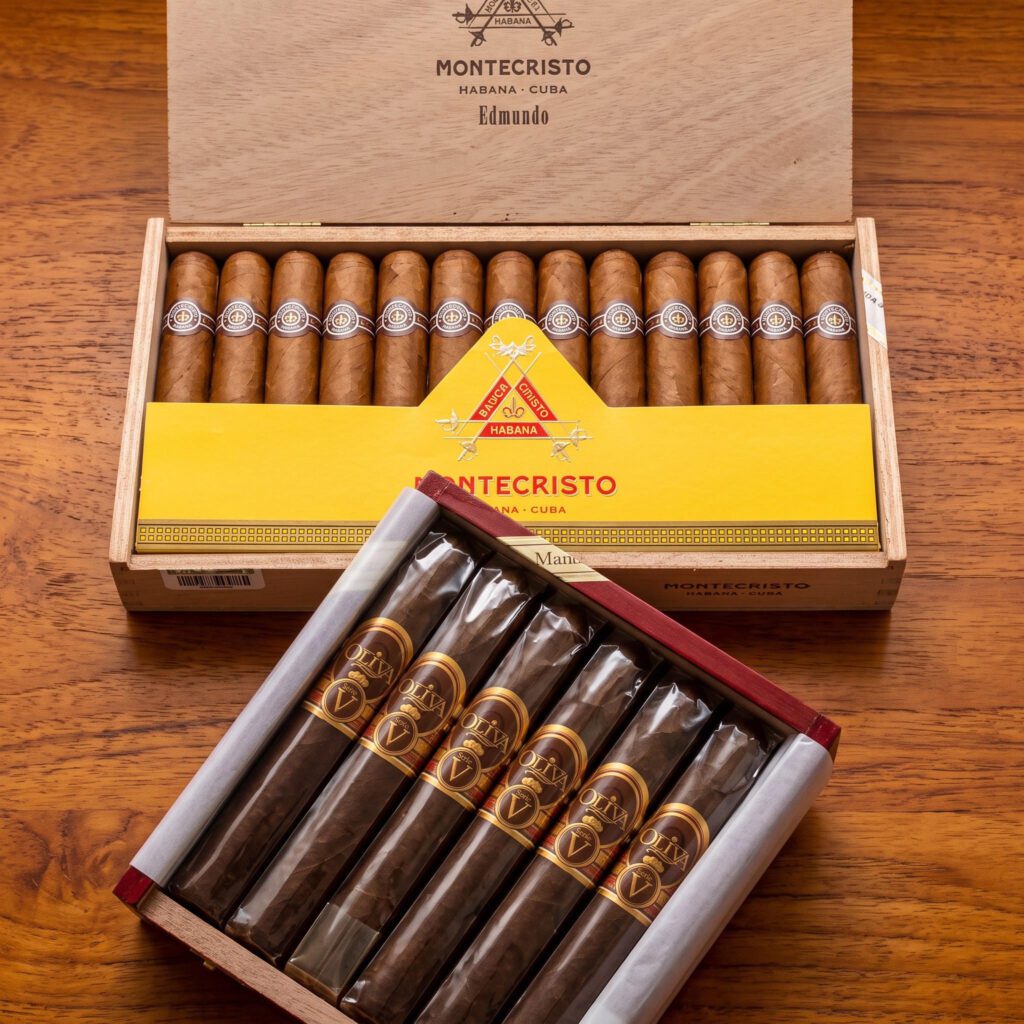
Cuban cigars have long been defined by a distinctive sensory signature: an elegant, aromatic complexity rooted in the unique terroir of regions like Vuelta Abajo. That signature has never been static. Over the past several decades, changes in seed varieties, agricultural pressures, production practices, and market conditions have subtly—and sometimes dramatically—altered how Habanos taste. At the same time, the rise of high-quality non-Cuban (New World) cigars from Nicaragua, the Dominican Republic, and elsewhere has given smokers a broader frame of reference. Understanding both the evolution of Cuban flavor and the contrasts with New World profiles helps explain why many aficionados still chase Habanos while others find greater satisfaction elsewhere.
How Cuban Cigar Flavor Has Changed
Classic pre-revolution and early post-revolution Cuban cigars were celebrated for rich, highly differentiated profiles. Brand character was pronounced: Bolívar could deliver powerful earth and espresso intensity; Hoyo de Monterrey offered floral elegance and cream; Partagás brought spice and depth; Montecristo balanced cocoa, coffee, and cedar. Construction and fermentation quality varied, but the best examples displayed remarkable richness and longevity when aged.
Seed and agricultural shifts marked major turning points. Traditional criollo and corojo varieties dominated for much of the 20th century, contributing oily, elastic wrappers and a spicy, aromatic perfume. In the 1990s, disease pressures and production targets led to hybrid introductions (including Habana 92 and Habana 2000). These stopgaps improved resistance and yield but sometimes produced less distinctive or more inconsistent leaf. Later refinements—Criollo ’98, Corojo ’99, and subsequent selections such as Criollo 2010—aimed to restore desirable traits while maintaining practical advantages. The result for many modern Cubans is a cleaner, more predictable expression: toasted cedar, nuts, earth, cocoa, and honeyed or mineral notes, with fewer raw or grassy off-notes when fermentation and aging are properly managed.
The late 1990s to early 2000s “Dark Period” remains a cautionary chapter. Aggressive production goals, shortages of experienced labor, and rushed processes led to under-fermented tobacco, tight draws, tunneling, and vegetal or bitter flavors that damaged the category’s reputation. Recovery became noticeable by the mid-2000s. Improved factory standards, the introduction of Edición Limitada, Reserva, and Gran Reserva programs, and greater attention to aging potential helped restore confidence. Many of the finest modern Cubans—particularly well-aged examples—retain the classic balance and aromatic lift that define the category.
In more recent years (roughly 2010s into the mid-2020s), quality has been generally solid when cigars leave the factory in good condition, yet variability persists. Weather events, labor emigration, energy shortages, and logistical constraints can affect leaf quality, fermentation consistency, and the time cigars spend aging before release. Younger production sometimes shows residual vegetal or ammonia notes that resolve with proper cellaring. Some longtime smokers observe that contemporary regular-production cigars can feel slightly more homogenized across brands or less powerfully rich than certain older vintages, while the best limited and aged releases continue to deliver exceptional nuance. Aging remains transformative: two to five years often allows oils to integrate, harshness to fade, and deeper layers of chocolate, dried fruit, leather, and refined spice to emerge.
In short, the Cuban profile has moved from highly variable classic richness through a troubled transitional era into a more consistent modern expression that still carries the island’s unmistakable character—provided the cigars are well made and given time.
Cuban vs. New World: Distinct Flavor Philosophies
Cuban and non-Cuban cigars are not simply different in degree; they often reflect different aesthetic approaches.
Cuban characteristics typically include:
- A signature “twang” or mineral tang—a bright, slightly tangy, fermented quality that many describe as sourdough-like or uniquely earthy.
- Core notes of cedar, leather, cocoa or coffee, honey, toasted nuts, light spice, and sometimes floral or herbal accents.
- Medium to medium-full body in most cases (with fuller examples from brands like Bolívar or Partagás).
- Subtle evolution across the smoke rather than dramatic shifts; elegance and aromatic complexity over raw power.
- Strict puro construction (100% Cuban leaf), so flavor is tightly bound to Cuban soil, climate, and traditional processing.
Nicaraguan cigars, shaped by volcanic soils in regions such as Estelí and Jalapa, tend toward:
- Bold intensity and pronounced spice (especially black pepper)
- Richer, darker notes of espresso, dark chocolate, earth, and leather.
- Medium-full to full body with more immediate impact.
- Excellent construction and consistency at the top tier; many blends deliberately amplify strength and complexity.
Dominican cigars generally emphasize:
- Smoothness, creaminess, and refinement.
- Notes of nuts, cedar, cream, subtle sweetness, and coffee.
- Milder to medium body with high polish.
- Frequent use of multi-origin blends that allow precise balancing of strength and flavor.
These are tendencies rather than rigid rules. Outstanding Nicaraguan and Dominican cigars can show remarkable elegance, while certain Cuban robustos deliver surprising power. Blind tastings frequently demonstrate that top New World cigars match or exceed average Cubans on construction, burn, and intensity. What Cuban leaf uniquely provides is that distinctive aromatic signature and terroir-driven character that no other origin fully replicates—even when Cuban-seed tobacco is grown elsewhere.
Preference, Context, and the Modern Landscape
Taste is personal and situational. Smokers seeking refined, aromatic nuance, historical romance, and the classic Cuban “perfume” often remain loyal to well-chosen, properly aged Habanos. Those who prioritize consistency, value, bold flavor, or reliable daily performance frequently prefer New World options, which have closed the quality gap dramatically over the past three decades and often surpass Cubans in construction reliability.
The current environment—marked by Cuban supply constraints, elevated prices, and variable availability—has accelerated exploration of alternatives. Many enthusiasts now maintain dual cellars: aged Cubans for special occasions and high-quality Nicaraguan or Dominican cigars for regular enjoyment. The finest examples from both worlds continue to reward attention, and the conversation has matured beyond simplistic “Cubans are best” claims into a richer appreciation of different strengths.
Cuban cigars have changed—sometimes for the better in consistency, sometimes with losses in the richness of certain older vintages—yet their core identity endures. When a well-made Habano is on form and given time to mature, it still offers a singular experience. The rise of the New World has not diminished that uniqueness; it has simply given smokers more ways to enjoy the craft.
