

Cuban Cigars Under Siege: Scarcity, Soaring Prices, and an Uncertain Future
Sep
The Cuban cigar industry, long synonymous with luxury and craftsmanship, is enduring one of its most severe crises in decades. Supply has collapsed to historic lows, prices have multiplied several times over, and the combination of chronic structural weaknesses with an acute energy emergency—exacerbated by tightened U.S. pressure—has left retailers with empty humidors and consumers scrambling. What was once a relatively accessible premium product has become a scarce, high-stakes commodity. The question now is not only how the market is adapting, but where the industry stands a few years from now.
A Catastrophic Drop in Supply
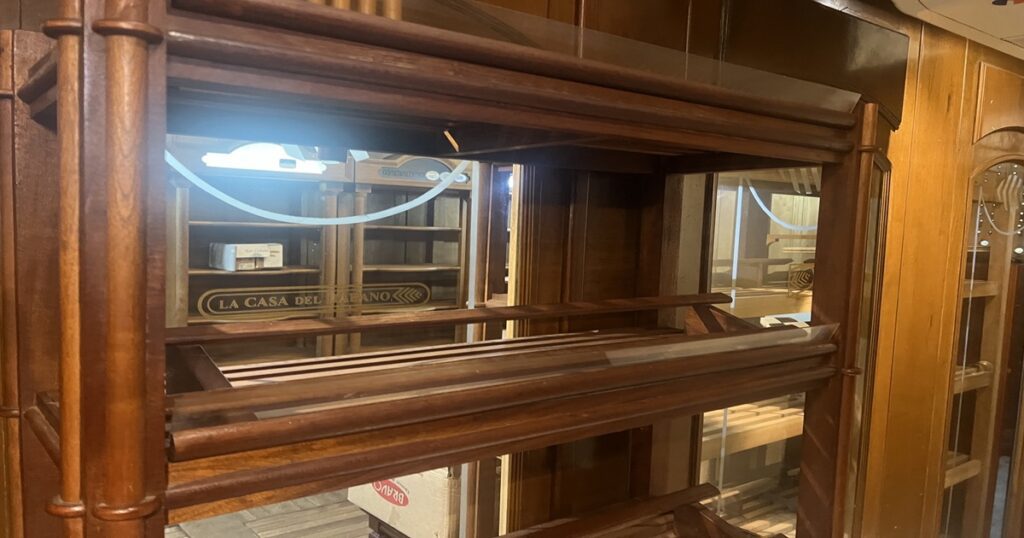
Retailers and distributors worldwide describe the current shortage as the worst in memory. Orders are routinely filled at a fraction of requested volumes. One London specialist who relies almost entirely on Cuban cigars reported ordering roughly £45,000 (about $60,000) worth of stock at the start of 2026 and receiving only £5,000. Shipments in recent months have been minimal. Canadian retailers have gone months without new inventory; some Caribbean shops have waited half a year or more. Iconic lines from Cohiba, Montecristo, Trinidad, and others have largely vanished from many retail shelves.
Production and logistics are severely constrained. Cuba exported about 50 million cigars in 2024—little more than half the nearly 94 million shipped in 2018. Factory floors that once employed hundreds of rollers now operate with far fewer skilled workers, sometimes down to roughly one-fifth capacity, amid emigration and difficult conditions. Tobacco planting in key areas such as Pinar del Río has lagged targets, hampered by weather, labor shortages, and unreliable power for irrigation systems that serve a large share of fields.
The acute trigger is Cuba’s energy crisis. The island imports roughly 60 percent of its fuel. In early 2026, U.S. measures—including pressure that effectively disrupted Venezuelan and other shipments—produced a de facto oil blockade. Blackouts have become routine, with multiple nationwide grid collapses. Fuel shortages disrupt transport of leaf and workers from distant vegas to factories, temperature- and humidity-controlled storage and shipping, and basic factory operations. Even solar installations at major factories such as those producing flagship brands offer only partial relief. The annual Festival del Habano, a cornerstone marketing and networking event, was postponed and then suspended indefinitely.
Prices Through the Roof
Scarcity has driven dramatic price increases. Cigars that sold for around £20 ($26) a decade ago can now fetch £160 ($212) or more. In Spain, a Cohiba Siglo VI rose from roughly €38 in early 2022 to €105. Some Trinidads and limited editions have seen even steeper climbs. Habanos S.A. reported record sales of $827 million in 2024—a 16 percent increase—driven primarily by higher average prices and premiumization rather than volume growth. Official list-price adjustments in markets like Spain have been more modest in 2026 (averaging low-to-mid single digits in some reports), but secondary-market and scarcity premiums have pushed consumer prices far higher.
This pricing strategy has preserved hard-currency revenue for the state-controlled industry (Habanos is a joint venture between Cuban entities and international partners), but it has not solved underlying production shortfalls. Counterfeits have proliferated as genuine stock dries up.
How Consumers Are Reacting
Enthusiasts are responding with a mix of hoarding, frustration, and pragmatism. Affluent buyers in markets such as Dubai and Riyadh routinely purchase a dozen boxes (around 300 cigars) at a time to secure supply. Longtime smokers express dismay at the disappearance of favorite vitolas: “I’ve smoked Cohiba my whole life and now I can’t get it. There’s nothing else like it.” Many are drawing down personal inventories accumulated in earlier years.
At the same time, a portion of the market is shifting toward high-quality New World alternatives from Nicaragua, the Dominican Republic, and elsewhere. These offer greater availability and more stable pricing while still delivering excellent quality. Retailers in Canada and the Caribbean report pivoting attention and inventory toward non-Cuban premiums simply to stay in business. Collectors and investors continue to chase limited editions and older stock on the secondary market, treating them partly as speculative assets. Demand for true Habanos remains resilient among connoisseurs, but the everyday luxury smoker is increasingly price-sensitive and open to substitutes.
Inside Cuba, the contrast is stark. Cigar factory workers earn very low wages that have not kept pace with the revenue boom from export price hikes. Ordinary Cubans face prolonged blackouts, fuel lines lasting many hours, and severe shortages of electricity, water, and other essentials. The prestige product that generates vital foreign exchange exists in a parallel reality to daily hardship on the island.
The Broader Squeeze
U.S. policy remains a decisive external factor. The long-standing embargo already closes the world’s largest premium-cigar market to Cuban product. The 2026 oil-related measures have intensified pressure on the entire economy, with knock-on effects for agriculture, logistics, and manufacturing. Additional sanctions targeting key Cuban entities add further friction for trade and investment. While the Cuban government and industry point to the “blockade,” domestic factors—centralized control under Tabacuba, aging infrastructure, labor emigration, climate vulnerability, and past underinvestment—have left the sector fragile even before the latest energy shock.
Recent agricultural reforms allowing longer-term usufruct rights for private entities offer a modest opening at the farming level, yet the state monopoly on buying leaf and marketing finished cigars remains intact.
Looking Ahead a Few Years
Near-term prospects point to continued tightness. Supply is unlikely to normalize quickly while energy constraints persist. Prices will probably stay elevated, supporting revenue but risking further erosion of market share as competitors gain ground. Scarcity itself can reinforce the luxury aura of Cuban cigars, sustaining demand among high-net-worth collectors even as broader accessibility declines.
Over a three-to-five-year horizon, several paths are plausible. If fuel supplies stabilize, solar and efficiency investments scale, and labor and planting recover, production could gradually improve and ease the worst shortages—though rebuilding inventories takes years given the long aging cycles for premium tobacco. Persistent energy and logistics problems, combined with climate risks and demographic pressures, could lock the industry into a smaller, higher-priced niche. Geopolitical shifts—whether easing or further tightening of U.S. measures—would heavily influence outcomes, as would any deeper reforms that improve incentives and investment.
For consumers, the practical reality is clear: authentic Cuban cigars are harder to find and far more expensive than they were even a few years ago. Serious aficionados are treating available stock carefully, exploring alternatives without abandoning the category, and watching both Cuban developments and the rise of New World makers. For the industry and professionals, the episode underscores the vulnerability of a prestige export tied to a strained national infrastructure. The mystique of the Habano endures, but its availability and economics have entered a more constrained and unpredictable era.
